
Roof Warranties Explained: Material vs Workmanship in Texas
A “lifetime” warranty rarely means what homeowners think it means. Here is the plain version.
By the Apex Roofing team · Central Texas
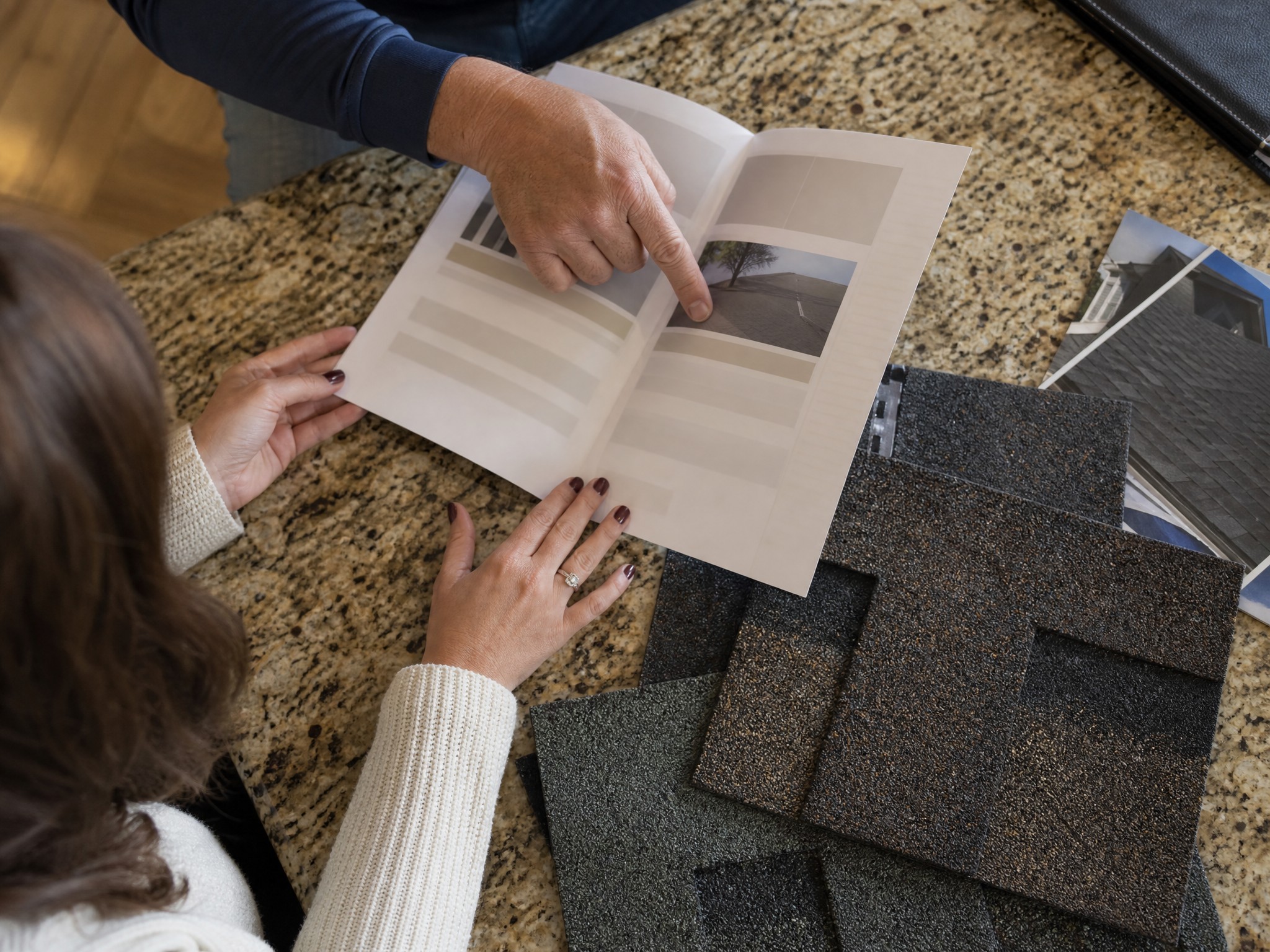
Roof warranties confuse almost everyone, and roofing salespeople do not always work hard to clear it up. When a homeowner in Belton or Harker Heights hears “lifetime warranty,” they picture decades of total protection. The reality is more layered than that. A roof actually carries two separate warranties that cover two different things, and understanding the split is what keeps you from being surprised when a problem appears. Here is how it really works.
The two warranties on every roof
The manufacturer warranty covers the shingles or panels themselves. If the material is defective from the factory, the manufacturer covers the product. The workmanship warranty comes from your contractor and covers the installation. If the roof leaks because of how it was installed, the contractor covers the repair. These are completely separate, and a homeowner needs both. A factory-perfect shingle installed badly will still leak, and the manufacturer will not pay for an installation mistake.
What “lifetime” really means
A lifetime material warranty does not promise a free roof for life. Most lifetime warranties are heavily prorated, which means coverage shrinks fast after the first ten or fifteen years. A shingle that fails in year twenty might only get you a small fraction of its cost back, and labor to install the replacement is usually not included unless you bought an upgraded warranty. The word lifetime mostly tells you the shingle is a quality line, not that you are protected for thirty years of free repairs.
What voids a manufacturer warranty
- Poor attic ventilation that cooks the shingles from below, a common issue in our heat.
- Installing new shingles over an old layer instead of a full tear-off.
- Mixing components from different manufacturers outside an approved system.
- Improper fastening, such as nails placed wrong or driven too deep.
- Later repairs or modifications by an unqualified roofer.
Why ventilation keeps coming up
In Central Texas, attic temperatures can climb well past 130 degrees in summer. Shingle manufacturers know this, and most warranties require adequate ventilation to stay valid. A roof installed without enough intake and exhaust airflow ages faster and can have its warranty denied on a technicality. This is one more reason the installer matters as much as the shingle brand.
Enhanced and system warranties
Some manufacturers offer enhanced warranties, sometimes called system warranties, that cover the full roof assembly including underlayment, starter strip, and ridge cap, often with non-prorated coverage for a set number of years and labor included. These are usually available only through certified contractors who install the complete branded system. If long-term peace of mind matters to you, ask whether your contractor is certified to register one.
Questions to ask before you sign
- How long is the workmanship warranty, and is it in writing?
- Is the manufacturer warranty prorated, and at what point does coverage drop?
- Does the material warranty include labor for a future replacement?
- Are you certified to register an enhanced system warranty?
- What ventilation will you install to keep the warranty valid in our heat?
How to file a warranty claim if you need to
If a problem appears, knowing which warranty applies saves time. A leak around a chimney or a vent two years after install almost always points to workmanship, so you call the contractor. Shingles that blister, lose granules, or fail across the whole roof early may be a material defect, which goes to the manufacturer. Start by pulling your paperwork and the date of installation, then take clear photos of the problem. Contact the responsible party in writing so there is a record. A good local contractor will help you sort out which warranty covers the issue and, in the case of a material claim, often assists with the manufacturer paperwork. Keeping your documents organized from day one makes the whole process far smoother.
Protect the warranty after installation
A warranty is only as good as the maintenance behind it. Keep your installation paperwork, register the manufacturer warranty, and use the original contractor for any future roof repair so you do not accidentally void coverage. If you are weighing materials, our guide to the best roofing materials for Texas heat walks through which products carry the strongest warranties in our climate. When you are ready, a free inspection from our team across Temple and Central Texas comes with a clear, written explanation of exactly what your roof is covered for.
Related articles
Want a roof backed by a real written warranty?
We explain exactly what is covered before any work begins, in writing.